Beating the Breastfeeding Booby Traps!

Actress Kaitlin Olson Has a Sunny Outlook on Birth and Breastfeeding

  • Facebook
  • Twitter
  • StumbleUpon
  • LinkedIn
  • Delicious
  • Google Buzz
  • Share/Bookmark

In honor of World Breastfeeding Week, we’re thrilled to bring you an interview with “It’s Always Sunny in Philadelphia“ Actress Kaitlin Olson.  TV Guide says Kaitlin is “working an unconventional beauty-meets-bawdy vibe we haven’t seen (or enjoyed so much) since. . .Julia Louis-Dreyfus set the bar so high on Seinfeld.”  Kaitlin appeared on the cover of the June 25 USA Today Pregnancy & Wellness Report  that we participated in and  is expecting her first child with husband and co-star Rob McElhenny this month!

 Because the theme of World Breastfeeding Week  is the Ten Steps of Baby-Friendly Hospitals, we thought it would be great to focus on how to prepare BEFORE encountering the ten steps or lack thereof, so moms can set themselves up for success.   Unfortunately, only 3% of maternity centers in the U.S. follow the 10 steps, and as a result, the 86% of moms who want to breastfeed aren’t making it past the first few days and weeks of exclusive or mostly breastfeeding–the CDC reports that most hospitals perform poorly on breastfeeding support.  Moms are being booby-trapped by the very institutions that should be helping them the most!  We want all moms to have a positive, empowering birth and breastfeeding experience, free of anguish and regret, whether they breastfeed for 2 weeks, 2 months, or 2 years!    

1.  How has your pregnancy been?  How have you taken care of yourself during pregnancy?  Studies show that the health of the mother during pregnancy influences birth & health outcomes for the baby.

I’ve actually had a delightfully easy pregnancy. I was lucky enough to not have any morning sickness, I worked all through my second trimester and half of my third with lots of energy, and I’m just now (at 9 months) starting to feel like I need to slow down and rest a little more. I’ve tried to take really good care of myself throughout the whole process.  I drink tons of water and try to eat a low sugar, high vegetable, clean (1), healthy, organic diet. (I’ve also eaten a LOT of chocolate covered pretzels. I can’t help it.)  I’m also walking like crazy. A lot more than I want to, in fact, but apparently that’s the best thing for toning my uterus and getting the baby in the right position. I also try to make sure I get enough sleep and stop to rest when I feel like I’m doing too much.

 2.  Why did you decide to plan a home birth?  What influenced your decision? 

I decided on a home birth because I believe that as long as a pregnancy is normal and complication-free, your body knows what to do and does not need medical intervention (2). I think the key to having a baby naturally is being able to completely relax and get out of the way of your body’s ability to get the job done. I believe I’ll be most relaxed and feel safest in my home (with an amazing nurse-midwife monitoring the baby and me the entire time, of course.) I was born at home and my mom has gone on to create Earth Mama Angel Baby, a company that makes safe, toxin-free products to naturally support pregnancy, childbirth, breastfeeding, postpartum recovery and new baby care. I grew up in this type of environment, so it’s very ‘normal’ to me. I want to be clear, though…I think hospitals are amazing, valuable places and I’m incredibly grateful to have access to Western medicine! I just don’t think that childbirth is a medical problem that needs intervention unless there is a complication.

3. What has been the reaction to your decision?   Obviously, your mom is supportive; has there been any negative reaction or concern and how have you handled that? 

Rob and I have had a lot of mixed reactions!  Most of our friends have been very supportive because they know us well enough to know that we are the kind of people who do our research and make informed decisions. The people who panic and think we are crazy are the ones who haven’t done any research themselves. I don’t blame them, though. We aren’t really taught much about childbirth and labor in America. On t.v. and in movies, most of what you see on the subject are women screaming in pain and a lot of emergency c sections. The fact of the matter is that countries who’s standard is for women to deliver their babies at home with midwives have the lowest complication, intervention and infant fatality rates. The United States has one of the highest complication, intervention and infant fatality rates and we have our babies in hospitals. That’s hard for people to understand, but if you do a little research, it makes sense. Your body knows what to do in a pregnancy that has no complications. If you numb yourself and block your uterus’ ability to communicate with your brain, then lay down on your back and work against gravity, that can, sometimes, cause problems.

 4. What tools or techniques are you using to manage the labor process and handle any pain or fear?  

I’ve been practicing hypno-birthing for several months now. It’s basically training yourself to completely relax on command, allowing your uterus to do its job without tensing up in reaction to the pain, which just slows everything down. It also really focuses on eliminating fear, and I’m learning a lot about the correlation between fear and pain. When you’re scared, you tense up. That’s no good. Instead of being afraid of powerful contractions, I’m trying to focus on being grateful for them, because it means the baby is closer to being born. I also am using a doula who will be there to remind me of all of these things when I forget because I am in horrible pain. :)

 5. Are you planning to breastfeed, and if so, what attracts you to it, for yourself, your family and for the baby?  

Yes, I’m definitely planning to breastfeed! I just simply think that breast milk is the very best food for a baby. It’s also free. And takes no preparation or heating up (3).

6.  Was your decision to have a natural birth influenced by studies that have shown an easier transition to breastfeeding?  Birthing in a breastfeeding-friendly environment, i.e following the “Ten Steps”, makes a huge difference in breastfeeding initiation and continuation.  

 If we had decided to have the baby in a hospital, (or if for some reason we do need to transfer to the hospital during labor) I have done my research and am already very clear on what steps need to be taken in order to ensure that my baby and I have every opportunity to be able to learn together how to breastfeed. I don’t feel intimidated by nurses who may suggest that I need to supplement with formula or I am starving my child.  In the spirit of staying positive, I am also not anticipating that I would get a nurse who is a bully or has harmful intentions. I don’t believe people in hospitals are bad people just because they have a medical background instead of a natural one. I just believe that different people have different views or different training, and I am not uncomfortable saying thank you, we’ve got it under control, and then bringing in a lactation consultant. I think it’s all about educating yourself, empowering yourself, and creating the best environment for yourself wherever you happen to give birth.

 7. Have you prepared for breastfeeding in any way? 

So far I’ve prepared by taking a breastfeeding class, watching a very informative video called Simply Breastfeeding by Shari Criso (4), and talking to my friends (and my mom) who have successfully breastfed their babies. We have a lactation consultant who will be coming over to the house when the baby is born and I’ve found a support group very close to my house if and when I need it. I think the best thing to do at this point is just jump in and see what happens and go from there, knowing that it’s possible that it comes very naturally, and also possible that I’ll run into problems but that doesn’t mean I’m failing! There are a lot of really wonderful resources out there if you go looking for them.

8.  Have you encountered any “Booby Trapsto breastfeeding already? 

Earth Mama Angel Baby is a proud sponsor of Best for Babes

I have run into Booby Traps! I’ve heard from several friends who have tried to breastfeed and “failed.” Mostly the problem seems to be that they don’t think they produce enough milk. These are all very loving women who are good mothers and often they are being led to think that they are starving their babies and the best thing to do is supplement with formula.  All moms come from a place of wanting to do the very best for their children! But it’s nice to know ahead of time that I have options.  Earth Mama Angel Baby Milk Maid tea, Booby Tubes and Bosom Buddies all help with engorgement and encouraging milk to come in (5).

 9.  How have you dealt with any barriers to breastfeeding and how do you plan to handle any that come up? 

You know, I’m just not really entertaining the option of a backup plan.  I have lots of people in my life who have done this before to support me and really wonderful, knowledgeable professionals I can go to which makes me feel confident. Mostly at this stage when I start to have doubts, the best thing I can do is remind myself that my body was built to do this, and if I run into trouble I have a lot of options.

10.  What advice do you have for expecting moms around taking care of yourself during pregnancy, and planning for birth and breastfeeding? 

Educate yourself! Unfortunately that does not mean asking one person (your family doctor whom you’ve never questioned before), getting one answer, and then looking no further.  I believe that how you take care of yourself in your pregnancy and the decisions you make regarding your birth, breastfeeding, etc. are all acts of parenting. The reality of our current state of health care, for better or for worse, is that a great part of it is being subsidized by major pharmaceutical companies and other special interests. Hospitals give you formula samples that are given to them by formula companies. That doesn’t necessarily mean that their products are “bad,” it just means that you may not be getting an objective point of view. So surround yourself with people you trust, ask lots of questions, listen to everything, and then make the most informed decision that you can. And eat chocolate covered pretzels, they make everything better.

Okay, Babes, do you have any questions for Kaitlin?

Best for Babes Resources & Tips

(1) For more information on ridding your home and your body of toxins, see Healthy Child Healthy World, a great non-profit, also The Smart Mama and The Soft Landing.

(2) To learn more about birth options, see My Best Birth 

(3)  . . . and is an all-around mom-made wonderfood.

(4)  In celebration of World Breastfeeding Week, Shari Criso’s DVD is streaming FREE through September 30.   

(5)  Nursing more often builds milk supply.  If mothers can’t or decide not to breastfeed, pasteurized, screened donor milk from a human milk bank, is the best substitute after expressing or pumping the mother’s own milk.  Speak to your doctor about getting a prescription.

Indepent Films on Breastfeeding & Donor Milk To Hit Film Festivals

  • Facebook
  • Twitter
  • StumbleUpon
  • LinkedIn
  • Delicious
  • Google Buzz
  • Share/Bookmark

Another sign that we’ve reached the turning point in the breastfeeding movement is that there are several independent films in the works that have to do with breastfeeding and donor milk.    I was a little disappointed that Michael Moore’s film “Sicko,”  about the ”crazy and sometimes cruel” U.S. health care system, did not touch on the absurdity of systematically preventing moms from succeeding at breastfeeding despite the fact that it could save $13 billion and 900 lives per year, at the very least–and we think that is a conservative estimate.    The good news is that several independent film makers think this absurdity should be the subject of a documentary that examines our cultural and institutional “booby traps” and how we ended up in this mess.

Left to Right: Katja Esson (Director, "Latching On"), Bettina Forbes (Co-Founder, Best for Babes), Debbie Zimmerman (Executive Director, Women Make Movies), Gina Ciagne (Director of Breastfeeding & Consumer Relations, Lansinoh Laboratories)

Katja Esson’s short film, ”Latching On,”  does a great job covering much of this ground.  I attended the premiere screening of her documentary at the Tribeca Film Center a couple of weeks ago and got a chance to chat with the director over a dinner sponsored by Lansinoh prior to the viewing.  Like me, Katja Esson is a native of Germany, and was struck by the enormous cultural differences between her native country, where breastfeeding is accepted and embraced, and the U.S., where bottlefeeding is the norm.   Even though she has no kids of her own, Katja spent seven years plumbing the depths of the anti-breastfeeding culture in the U.S..   She and I agree that the biggest booby trap is the lack of designated Baby-Friendly Hospitals in the U.S.–if new moms can’t even make it through two days of exclusive breastfeeding with their healthy, full-term babies without out being “booby-trapped”, than how can we expect them to get to the six months recommended by the AAP and every other medical & health organization?    We really loved meeting some of the stars of the film, some of whom are already old friends of BfB like Heather Kelly, IBCLC and Felina of the Upper Breast Side.  We were captivated by ”Glam-ma” (not Grandma) a glamorous and hip black woman who tells explains that she breastfed for economic decisions because there were no free handouts of formula through WIC.  Her daughter-in-law is on the fence about breastfeeding and her story steals the show.  The film, which is distributed by Women Make Movies, is already one of their top-selling films of the year and has tremendous potential for raising awareness and putting pressure on the barriers, not moms.  Lansinoh’s  ByMomsForMoms did a fantastic video interview with Katja Esson and Debbie Zimmerman (Executive Director of Women Make Movies) which explains how the film can “open eyes” and reach classrooms, libraries and even women’s prisons.  We will be staying in touch with Katja, and Women Make Movies to see how Best for Babes can help market the movie to reach the largest audience possible (and hopefully capture attention of the media), and we’ll be following the film’s attendance at festivals on Facebook.  Here’s the trailer:

Before the screening of “Latching On”, we also met Beth Poague, who is the process of making a documentary called “Supply & Demand:  Uncovering Breastfeeding in America”.  This film also shows great promise for educating and raising awareness of the barriers that keep moms from making informed feeding decisions and achieving their personal breastfeeding goals.  She interviews our Board Member, Marsha Walker and we are excited to see her film develop.   Thanks to Laura Keegan, RN, FNP and author of Breastfeeding with Comfort & Joy for introducing us to Beth.

Kevin West is making a full-length documentary called “Mother’s Milk: The Movie” which expands on a short film he created in 2009 that I found very moving and inspiring.  The movie will highlight the work of the Human Milk Bank Association of North America and the desperate need for donated, screened, pasteurized human milk for babies whose mothers can not breastfeed, or who have been prevented from succeeding.  We’re extremely excited about the potential of this film because we think it will have mass-market appeal and be able to drive the demand for human milk and give hope to mothers who want to give their babies the next best!  

Mother’s Milk (2009) from Kevin Douglas West on Vimeo.

Finally, there is a movie in production called Formula Fed America, which we have been following for quite some time.

Do you know of any other films that have the potential to educate and inspire the mainstream? Let us know!

Give Kourtney Kardashian Kudos on Blogging About Breastfeeding for People.com

  • Facebook
  • Twitter
  • StumbleUpon
  • LinkedIn
  • Delicious
  • Google Buzz
  • Share/Bookmark

Hotly followed reality star Kourtney Kardashian is now writing a regular blog for People.com’s Mom & Babies and we’re thrilled about it! 

In writing about traveling with baby Mason, Kourtney expresses every new mother’s anxiety:

At first, I was scared to travel with him. I’m sure every parent goes through it. You don’t know how your baby will be — what if he gets sick or his ears hurt from the pressure in the cabin? One travel tip I got from my doctor: He told me to nurse Mason during take off and landing. He also recommended I put some breast milk in Mason’s nose because it has antibodies that can help keep him from catching a cold on the flight.

Kourtney Kardashian & Mason, courtesy of People.com

We love that Kourtney comes across as down to earth, and relates to expecting and new mothers, and doesn’t shy away from using this platform to share breastfeeding tips!   For months now she has been systematically weaving her breastfeeding experience and tips into her tweets and her interviews with the press; sharing that it is “one of her favorite things.”    This is exactly what moms need; to see nursing as a natural part of life that has its ups and downs and challenges, but comes with a lot of perks and is ultimately extremely rewarding.   In the case of flying with a baby, it is down right convenient as there is less to carry, breastfeeding helps babies ears adjust to cabin pressure without over-feeding, and it keeps baby calm so other passengers can enjoy the flight too.  

As is evident from the 103 comments on her post, Kourtney Kardashian has a remarkable opportunity to do more for breastfeeding than a whole bunch of government campaigns . . . she can help de-sensitize the squeamish (umm, she tasted her breastmilk), normalize breastfeeding in the public eye, and educate expecting and new moms, parents, siblings, grandparents . . . all through the highly visible media outlets.  With her celebrity star-power, perhaps one day no mother will be kicked off a plane for breastfeeding

Please tell People.com thank you for publishing Kourtney Kardashian’s breastfeeding tips and that we want more!    Let them know that she is educating moms and boosting their confidence so that more moms and babies can benefit from the amazing health, economic and environmental gifts of breastfeeding.    ( Important note:  Even though many of you will notice and protest that Similac sponsors the Moms & Babies column, please keep your comments focused on the positive.   We believe that we should reward People.com for moving in the right direction first, and we are also very grateful that People.com  has graciously helped spread the word about our exclusive breastfeeding interviews with Gabrielle Reece, Kelly Rutherford and Alysia Reiner.   Whenever People.com links to our interview we get hundreds or thousands of more hits on the story which means that we can reach and educate thousands of more people—there are some terrific breastfeeding-friendly editors working at People.com and we need them!   Our hope is that eventually we can have a conversation with People.com about the WHO Code and help them find a more suitable sponsor that is truly helping moms and babies start out healthy . . . a sponsor that is not undermining parent’s informed feeding decisions and is not violating the World Health Organization’s International Code that protects moms and babies.   For now, however, let’s focus on acknowledging People.com for including breastfeeding in their celebrity stories, and for working with Best for Babes!)   Celebrity breastfeeding stories are critical to educating the mainstream and bringing about the cultural acceptance that we need so that all moms can achieve their personal breastfeeding goals.  With millions of readers daily, People.com has an incredible opportunity to build on this trend and support the 86% of expecting moms who intend to breastfeed, and who are desperately trying to overcome the booby traps and follow the advice of the American Academy of Pediatrics to nurse exclusively for at least six months. 

You can write People.com at editor@people.com  or leave a comment on their Facebook fan page.   You can also leave a comment on Kourtney’s post where she shares her breastfeeding tips . . . and please ask her to do an interview with Best for Babes!  We’d love to hear more about her breastfeeding tribulations and triumphs and be able to share them in greater depth with our readers, along with our resources and tips as certified lactation counselors.   

Thank you for helping us put positive pressure on the ”booby traps” by acknowleding media outlets that report on breastfeeding responsibly.

(Almost) Wordless Wednesday: Famous Breastfeeding Magazine Covers & Photos

  • Facebook
  • Twitter
  • StumbleUpon
  • LinkedIn
  • Delicious
  • Google Buzz
  • Share/Bookmark

A nude, expecting Demi Moore on the cover of Vanity Fair, captured by Annie Leibovitz, sparked a cultural acceptance of pregnancy and launched a booming maternity and “mommy & me” industry.   Since that worked so well to mainstream pregnancy, would it work to mainstream breastfeeding?  If so, how can we get more magazines to take the plunge and put breastfeeding pictures on the cover or in the issue itself?   (By the way, Demi Moore, Christina Aguilera and Britney Spears all breastfed.)  We think that such images would go a long way towards normalizing breastfeeding in our culture so breastfeeding mothers are not harassed for breastfeeding in public.   Do you think it would help to reach the mainstream with more images that the mainstream relates to:  slick, glamorous photos of celebrities?

Update: Just remembered that Eva Herzigova breastfed in the German Magazine Bunte, check out this fabulous post with lots of pix (scroll down for the breastfeeding ones) from Celebrity-babies.com in 2007, posted by breastfeeding-friendly founder Danielle Friedland. (She since sold the site to People.com and is now a certified lactation consultant!)

The image that launched a thousand ships and copycats

Christina Aguilera does Demi Moore

Britney Spears


This version was on newstands only, subscribers got a less titillating cover.

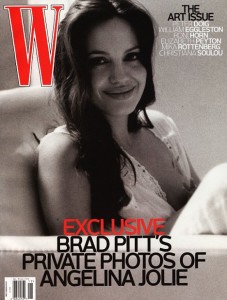
Brad Pitt's photo of Angelina Jolie nursing one of the twins

Jerry Hall by Annie Leibovitz


Extraordinary Breastfeeding: A CBSNews.com Producer’s Story

  • Facebook
  • Twitter
  • StumbleUpon
  • LinkedIn
  • Delicious
  • Google Buzz
  • Share/Bookmark

Last week CBSNews.com ran a wonderful video on the Challenges of Breastfeeding, and we issued a challenge to our readers to send 100 letters to CBSNews.com thanking them for “getting breastfeeding right.”   (If you haven’t yet, please send an e-mail to CBSNews.com using this link telling them you loved the video and want to see more, especially on how to Beat the Booby  Booby Traps!   All moms deserve to achieve their personal goals without being undermined, whether they decide to breastfeed for 2 weeks, 2 months or 2 years, or not at all.) 

We got a letter from CBSNews.com Health Senior Producer Mike Wuebben thanking us for our letters and our blog post, and Dr. Jen Ashton blogged about it and invites your feedback and ideas, proving that positive recognition is an effective, complementary strategy for advocacy work in changing our breastfeeding culture.  Mike Wuebben also shared that his wife had breastfed all three of their children, including one under very difficult circumstances.  We asked him to share his family’s story.

A Personal Story from Mike Wuebben, Senior Producer, CBSNews.com Health and Wellness

That my wife would breastfeed our second son, Willem, was a no-brainer.  Leslie nursed our son Benjamin for his first 14 months and except for a rough couple early days, it came very naturally.
 
In the delivery room at 10 in the morning, just a few minutes after Will was born, Leslie put him to her breast, but this groggy little kid wouldn’t latch on.  Oh well.  The nurses said he was tired and this was normal.  After a half an hour she tried again.  No latch.  With a beautiful calm focus, Leslie tried again and again.  Twelve hours later the nurses came and took the baby away for the night. 
 
Bright and early the next morning they were at it again with no success.  Nurses, the midwives, the lactation consultant all gave tips but nothing would work.  About this time they were noticing other odd things about my son — Will was “floppy,” low muscle tone, had a funny cry, didn’t blink when tapped on the forehead.  By the next day the staff looks of concern had turned to pity.  We were told before leaving for home, there was something “not normal” about my son.
 
Leslie was pumping and using the Haberman feeder- a special bottle for babies with feeding problems.   He would eat but still couldn’t suck.  We saw specialists, therapists, neurologists, chiropractors and no one knew why he was unresponsive.  It was possible, we were told, he could “snap out of it.”  Or he might not. 
 
My wife never gave up trying to nurse him and for weeks she would put him to the breast before resorting to the feeder. 
 
Around this time we discovered online a rare disorder that might fit Willem’s symptoms- low muscle tone, inability to blink, suck, move the muscles of his face.  It’s called Moebius Syndrome.  The article was titled “Kids Born without a Smile.”  I had hoped for that “snap” moment when he would become a normal baby and here I was reading about my son’s future with a lifelong disability.  Then I read further and saw a golden lining:  most kids with Moebius have normal brain function and normal life expectancy.
 
Finally we knew something.  He couldn’t suck because he couldn’t move the muscles of his face.  He didn’t react because his muscles were weak and he couldn’t blink.

And then the miracles started to happen.  One day, my wife went to nurse him and he sucked.  She held his little lips together and he managed to get something.  He could do it.  As long as he could have something to latch onto deep in his mouth he could use his swallow response to pull the milk out.  As those muscles grew stronger we started to see tiny twitches in his cheeks.  The few muscles he had in his face were starting to work.
 
Willem continued to nurse well after his first birthday without the use of feeders and other aids.  Though late, he continued to hit milestones.  At 15 months he started to talk.  At 30 months he walked.  He learned to drink through a straw (no small feat for someone who can’t close his lips). 
 
I was mostly a bystander to all this.  I got to watch the incredible power of a mother’s love for her baby.  Leslie was determined to give Willem the same early childhood experience that came so easy to his older brother and millions of other children.  I hope her story inspires other mothers who face difficulties nursing.
 
Willem turns five this summer and he’ll start kindergarten in the fall.  He still receives a full regimen of therapies to work on his muscle tone and speech, but he’s a happy, healthy, funny little boy.  And I’ve discovered that the doctor at the hospital was right, my son is not normal, he’s extraordinary.

Any other moms or Lactation Consultants out there who have experience with helping babies with Moebius Syndrome breastfeed, we’d love to hear from you! Please share your tips, links and resources!

How #Breastfeeding is Like Fishing

  • Facebook
  • Twitter
  • StumbleUpon
  • LinkedIn
  • Delicious
  • Google Buzz
  • Share/Bookmark

Bear with me while I make an analogy between breastfeeding and fishing, and tell me if you think I’ve gone off the deep end.

There is an old saying:  “Give a man a fish, you feed him for a day; teach a man a fish, you feed him for a lifetime.”

It would be easy to apply that to breastfeeding:   “Give a newborn artificial baby milk, you feed him for a day; teach the baby’s mother to breastfeed, you feed, nurture and improve the health of both for a lifetime, so that mothers, babies, healthcare, employers, society and the planet benefit.”

08 Catania Sicily 012

Upon visiting this fishmarket in Catania, Sicily, I learned that aggressive industrial & commercial fishing threatens the livelihood of local, small-scale fishermen. It also destroys the breeding ground of the bluefin tuna, diminishes biodiversity and threatens the health of our planet.

But here’s the rub. What if it is not easy to teach a man to fish?   What if men have had the best intentions of fishing, only to go to the lake, and find that the fish have been depleted by aggressive practices, or the waters polluted, or signs and fences put up threatening anyone who tries to fish?   What if men were being told that fishing is great for them, and healthy too, but every day they are handed a bag of fast food which just seems so much easier than getting prepared for fishing, and putting in the time and effort to secure a good catch of fresh fish?  What if the teachers who are supposed to teach men to fish are being bought out to promote fast food, too, because while fishing has huge long-term advantages, it takes just a little more work, a little more support?   What if the few fishermen who succeeded in fishing, are heckled and jeered at?   How many fishermen then, do you think, will really survive this process?

It’s no different for breastfeeding. 74% of new moms have the desire to breastfeed, but given all the cultural and institutional barriers, i.e. “the booby traps” that we have written about, it is no wonder that so few mothers are learning how to breastfeed.   (For more about the “booby traps”, see our Moms Rising piece in response to Hannah Rosin, our Martin Luther King Day inspired post, and hey, we even wrote a song: The Twelve Breastfeeding Days of Christmas).

So that leaves the question.  What do we do? Do we continue to try to teach the man to fish, one man at a time, and leave him to fend for himself against the forces that threaten the fishing industry?  Do we continue to send mothers to support groups, or to get expert lactation counseling (if they can afford it), and stand by wringing our hands as they are being failed by the lack of a breastfeeding infrastructure, and are being undermined by barriers?   Do we continue to tell them the benefits of fishing breastfeeding, and heap pressure on them while allowing them to be threatened and suffer botched and negative breastfeeding experiences?  Do we wait for them to tell each other their horror stories–stories that did not need to be, most of which could have either been prevented or easily solved by preparation and early, proper lactation management–and discourage each other?  Do we stand by as more mothers are robbed of an exquisitely intimate and precious experience with their babies that is as instinctive as kissing the ones we love?

There is another way, the way of social entrepreneurship. Ashoka Founder Bill Drayton, once famously said that “social entrepreneurs are not content just to give a fish or teach how to fish. They will not rest until they have revolutionized the fishing industry.”

Social entrepreneurs are “change agents,”  creating “large-scale change through pattern-breaking ideas,”  “addressing the root causes” of social problems,  possessing “the ambition to create systemic change by introducing a new idea and persuading others to adopt it,”  and changing “the social systems that create and maintain” problems.  These types of transformative changes can be national or global. They can also often be highly localized—but no less powerful—in their impact. Most often, social entrepreneurs who create transformative changes combine innovative practices, deep and targeted knowledge of their social issue area, applied and cutting-edge research, and political savvy to reach their goals. For all entrepreneurs, whether in the business or social realm, innovation is not a one-time event—but continues over time.–Skoll Foundation

And that is precisely what the breastfeeding movement needs, and what Best for Babes aims to deliver:   the passion, drive, creativity and innovation needed to revolutionize the breastfeeding movement and make it the Mother of All Causes.  For this reason, we are going to be nominated for the prestigious Ashoka fellowship by a titan in the foundation world who believes that we fit the criteria of a social entrepreneur.   It is a ridiculous long shot (past nominees have gone on to win the Nobel prize, haha) and we’ll just be honored to be nominated.  Heck, we’ll just be excited to finish the draft application we started last year.

We need your help. These days, it takes a village to protect the mother so she can feed her baby; and we are building that village one volunteer, one advocate, one influencer, one donation at a time.   It is your involvement, and your commitment to us, that will determine whether we succeed or fail.   It is our collective collaboration that will determine whether we can bring together not only the 2% of women who made it to one year of breastfeeding exclusively (the “choir” most of us are preaching to) but the 72% of women–some three million every year–that try to breastfeed, and the billions more that wanted to breastfeed but were set up to fail.     Moreover, let’s bring in those who are affected by a society that doesn’t support breastfeeding; the spouses, the employers, the health care system, the schools . . . and take to the streets, like those marching under the other pink ribbon, and race for the cure literally under our nose.  Trust us, if we can get everyone past the destructive trio of pressure, judgment and guilt, and unite all who have been affected by “the booby traps,” our numbers will be greater than any other cause to date.  It’s time to harness that formidable energy.

AAP_Bfing_Section_Newsletter_Fall_2009-0Will you join us?   This year we have accomplished much to set this ball into motion–our innovative celebrity interviews and our groundbreaking ad campaign are gaining steam (80 blogs are now carrying it!).  We are getting our message and our CREDO out into the media (through incredible coverage in SHAPE and Fit Pregnancy magazines among others), and we are the first non-profit to change the conversation by shifting the pressure OFF moms and on to the barriers that keep them from achieving their personal goals.   Despite being “outsiders” to the medical/scientific world, we’ve won over the breastfeeding movement leadership (see left, we made the front page of an AAP newsletter!)– we brought down the house at the Academy of Breastfeeding Medicine, and we’re slated for the Healthy Children Conference and the United States Breastfeeding Committee Conference in January–trust us, our message will shake up the status quo.   We have jumped headfirst into social media, becoming one of the fastest growing breastfeeding causes on Facebook and one of the only breastfeeding non-profits that is blogging and is active on Twitter.  We have dazzled more potential corporate allies than we’ve been able to follow up with, and there is tremendous untapped opportunity here to follow in the footsteps of the great cause-related marketing campaigns.

Truthfully we’ve bitten off more than we can chew, and that is the curse of being passionately obsessed with social change:  we can see so clearly what needs to happen to help moms and raise breastfeeding rates that we tend to ignore our very human limitations of time and funding.   But that’s okay.  As much as we’d like to be the type that does one thing and one thing well, instead of the type that sets a bazillion things in motion, we know that it is more important right now to act as a catalyst to put a little rocket fuel under this cause and elevate it to the stature that it deserves.   There is much, much work to be done, but we know you will stand with us, shoulder to shoulder!

We look forward to an awesome 2010 with you!

The Twelve Breastfeeding Days of Christmas

  • Facebook
  • Twitter
  • StumbleUpon
  • LinkedIn
  • Delicious
  • Google Buzz
  • Share/Bookmark
The Best for Babes 12 Breastfeeding Days of Christmas

Under the influence of the holiday spirit,  (and late nights of deranged cookie-baking) I re-wrote the 12 Days of Christmas to reflect the Best for Babes vision of what it would take to really help moms.  I’ve explained below why each of these gifts would rebuild our shattered breastfeeding infrastructure, and contribute to a world where all mothers who want to breastfeed could meet their personal breastfeeding goals without pressure, judgment or guilt.  Moms, babies, our society and the planet would benefit.

Before you continue reading, click on the image to the right, and go ahead and sing it!  It’s more fun when you actually do it. It may take a bit of nimbleness, but I tried it out on my kids and husband, so can vouch that it is sing-able.

(As Dr. Seuss might put it, you can sing it to your hospital, doctor, employer and store, sing it at the mall, they’ll ask for more!  Sing it far and sing it loud, sing it to the squeamish crowd.  Sing it at your breastfeeding meeting, sing it as a friendly greeting.   Sing it to help moms succeed, and fulfill every breastfeeding need!”)

Print-out version of  Best for Babes’ Breastfeeding Days of Christmas

How 12 Gifts Would Rebuild Our Shattered Breastfeeding Infrastructure

A mother wanting to breastfeed: 74% of mothers want to breastfeed and are trying to breastfeed, but only 40% are achieving their personal goals, and only 12% are making it to the American Academy of Pediatric’s minimum recommendation of six months exclusive breastfeeding.   Even worse, most moms are not even getting through the first few days or weeks of exclusive breastfeeding, and it is not their fault.   Moms are being pressured to breastfeed but set up to fail by insidious “booby traps”–cultural and institutional barriers.  It is as bad as telling someone to run a race and handing them flip-flops. For more about awful mixed messages we are giving moms, see this excellent article by babygooroo.com.

Two doula/midwives: Having a labor doula or midwife can lower the risk of a c-section, reduce labor time, perception of pain, and generally provide superior birth outcomes, which lead to better breastfeeding initiation.   Many ob/gyns and hospitals welcome the participation of a labor doula as it makes their job easier, think of it as an experienced coach who can help you way more than your husband/partner, who in all likelihood, has never delivered a baby.

Three support groups: La Leche League is the largest and best known mother-to-mother support group provider; there are also support groups springing up through IBCLCs, Maternity and breastfeeding boutiques, and hospitals.  Shop around, not all support groups are created equal and word of mouth will lead you to the best ones.  Support groups that are judgmental or do not provide accurate, scientifically-proven information are a hidden “booby trap.”

Four (FABM) MDs: FABM stands for a Fellow of the Academy of Breastfeeding Medicine, and means that this physician has demonstrated advanced knowledge and skills in breastfeeding and lactation management (read between the lines: this doctor is not just giving “breast is best” lip service while handing out formula samples and undermining moms).   Similar to FAAP (Fellow of the American Academy of Pediatrics) it follows the physician’s credentials, e.g. Caroline Chantry, MD, FABM .    We dream of a day when not just Ob/Gyns and pediatricians are FABMs, but allergy, diabetes, heart disease and other specialities that are impacted by increased breastfeeding rates.  When an expecting mother sees her allergist, he/she should be encouraging her to breastfeed, and discussing it in a supportive, evidence-based framework!  For more on choosing a breastfeeding-friendly physician, click here.

Five Baby-Friendly Hospitals: This is a biggie, which is why it goes in the “5 golden rings line.”  Only 3% of the 3,000 maternity and birth centers in the U.S. are designated “Baby-Friendly” under the Baby-Friendly Hospital Initiative.    The Centers for Disease Control found that 70% of hospitals perform poorly on breastfeeding support; no wonder moms are not making it through the first few days!   If all maternity & birth centers followed the ten steps to Baby-Friendly, such as rooming-in, latching the baby in the first hour, avoiding pacifiers and bottles, providing donated, screened, pasteurized human milk from a milk bank if supplementation is needed, and not handing out gift bags filled with formula samples (shown to reduce breastfeeding duration), we’d see a meteoric rise in breastfeeding rates (and population health improvement, and employee morale, and reduction in carbon emissions, etc.–we could go on and on).   Moms are being “booby-trapped” by the hospitals they trust, and it has got to stop.   Let’s move the nurse-ins to the hospital lobbies, and start writing respectful, but firm letters to hospital CEOs and copying them to the media.

Six great IBCLCs: An IBCLC is an International Board Certified Lactation Consultant.   To find the best ones, click here, and be aware that like in every other field, there are some quacks.  If your “lactation specialist” in the hospital is judgmental, grabs your boob, hands out nipple shields like candy, or otherwises raises your finely-tuned mom’s instinct antennae, call your La Leche League group, friendly doula/midwife, or local breastfeeding boutique for the name of a good one that can visit you in the hospital.  We urge you to complain to the CEO of your hospital if you have a negative experience, and write a letter of commendation if you were helped.  Copy it to your local newspaper.

Seven partners protecting: The role of your partner or spouse in protecting the breastfeeding relationship when a mother is at her most fragile and vulnerable is invaluable.   Forget sending him or her to labor classes (get a doula instead); make sure your husband or partner is educated about the hospital booby traps and is ready to bare their teeth to all the insidious attempts to derail your breastfeeding efforts.  This is where he/she can really be your hero.

Eight friends a-helping: Not only should your friends cheer you on for your decision to breastfeed, they should line themselves up to cook, clean, babysit your toddler, grocery shop and run errands for you.   Your job is to rest and to get the hang of breastfeeding, you are an athelete in training with a single focus.  Entertaining guests is for later!

Nine celebs a-nursing: Celebrities are hugely influential in our celeb-obsessed culture, and can have a positive influence on the many women who have few or no breastfeeding role models.  After Angelina Jolie’s breastfeeding cover on W magazine, many women wrote that if she could nurse twins, they felt empowered to do it too.  We also need more celebrities to talk about more benefits of breastfeeding than just losing weight, and share their intimate breastfeeding stories in our context of helping moms (see our interviews with Kelly Rutherford and Gabrielle Reece).  We need celebrities to nurse in public to show solidarity with moms who face huge social disapproval for nursing discreetly, or are outright discriminated against.    We need celebrities to lobby for the Breastfeeding Promotion Act, and increased funding for breastfeeding infrastructure . . . in short, breastfeeding needs a Bono, Fox, Gere or Gore.   Salma, Angelina, Gwyneth, Sigourney:  we need your help!

Ten nursing nooks: Boy are we tired of hearing about moms who are thrown out of stores, restaurants and even airplanes for breastfeeding.   It’s really getting old. And just for the record, most moms prefer to be discreet, but some babies yank those blankets right off.   Wouldn’t it be great if every mall, every shopping plaza, and every airport had a cozy nursing lounge (i.e. NOT the bathroom)?   And every store and restaurant had a quick and easy supportive breastfeeding policy?  We’re working on it, and have an exciting platform, but we need your help to raise the funds to make it a reality.    We’d love it if big breastfeeding-friendly retailers like Nordstrom would sponsor it; and it would help the image and PR of Target, Applebees, Victoria’s Secret and Starbucks if they would jump on board too.   Did we mention that 74% of moms try to breastfeed?   That’s at least 3 million moms per year, and billions that have ever breastfed!

Eleven strangers cheering: Best for Babes is working to change the breastfeeding culture in the United States so that the public not only accepts breastfeeding, but thinks it’s cool, hip and fabulous.   This takes giving breastfeeding a makeover and branding and “marketing it to be as mainstream as motherhood itself”.   This does not mean the overbearing lecture to moms on all the benefits of breastfeeding, it means setting a positive example and attracting women to breastfeeding so they are psyched and pumped up to breastfeed, much like working out or making any other lifestyle change!   Face it, we all need a little motivation (benefits are great, but a cute workout suit can help too) to get to the gym, and breastfeeding is no different:  some helpful information, some stellar breastfeeding products that make it more fun and a little easier can go a long way.   Most of all, it takes a culture that adopts the Best for Babes credo of cheering on, coaching and celebrating ALL moms to make informed breastfeeding decisions, and achieve their personal breastfeeding goals whether it is one week one month or one year or not at all.  We need to gently lower the defensiveness of women who didn’t breastfeed or couldn’t breastfeed by ending the horrible cycle of pressure, judgment and guilt.   Like seatbelts and sunscreen, our mothers didn’t know better.   Many of our peers were “booby-trapped” by the barriers, and feel awful about it, and are blaming themselves not realizing they were set up to fail.   Some moms truly can’t breastfeed–how do you argue with a double mastectomy, or medication contraindicated by breastfeeding, or having tried everything to no avail?  If 95% of women are capable of breastfeeding successfully, there are still 5% that are not, no matter how many IBCLCs they see.  Another reason we need more milk banks!  Most importantly, ALL moms deserve compassion and respect.   With a little TLC for all, we’ll find the “breast vs. bottle” debate  and the mommy and boob wars will lose steam and that even the moms who decided not to breastfeed or couldn’t breastfeed because of barriers will start cheering moms on.   Case in point:  My co-founder’s mother, who didn’t breastfeed her daughter, is one of our staunchest supporters.  My special request, please read these two articles if you are a breastfeeding advocate (hint: become a mom advocate first):  “Shame and the Mom: A Boob Story” by herbadmother.com, and “When Boobs Collide” by Hisboyscanswim.com.

Twelve supportive employers: This is last on the list because the reality is that most new moms are not making it past the first few days and weeks of exclusive breastfeeding, long before their maternity leave ends and they go back to work.  (Oh yeah, and we have some of the worst maternity leave policies of any industrialized nation, so let’s assume that not all mothers even get maternity leave, unlike most European countries with high breastfeeding rates that provide a year or more.   Some companies provide 3 months but that is not enough.)   But the specter of having to fight for the right and the breaks to pump on the job, be sneered at and harassed, and have no place to pump besides the bathroom or a dirty closet with an outlet, can discourage many working moms from trying to breastfeed in the first place.   And the ironic kicker?   Breastfeeding benefits a company’s bottom line; less sick days used, lower employee turnover, higher morale, lower benefits expenses, better attraction of qualified employees, the list goes on.  Go figure.

Dr. King, the Breastfeeding Movement & the Inauguration

  • Facebook
  • Twitter
  • StumbleUpon
  • LinkedIn
  • Delicious
  • Google Buzz
  • Share/Bookmark

Many people don’t understand what the big deal is about breastfeeding.     Why the protests and “nurse-ins”?  Why do women keep making such a big fuss about it?  Isn’t it natural and easy?  Aren’t most women breastfeeding? 

So we tend to do intuitively what Dr. Martin Luther King did, when he explained “why we can’t wait”—he gave us a moving, visceral and poignant snapshot of what it meant, at that time, to be a Negro.   In the same vein, we try to give people who don’t understand our urgency the opportunity to stand in a new mother’s shoes, and feel the discrimination, humiliation, harassment and judgment she faces at the most vulnerable period in her life, as she is undertaking a critical, and life-changing new challenge.  So:

Imagine you are expecting your first child.   Your mother didn’t breastfeed, so she can’t show you how, share her experience, or tell you what to expect.   You take a childbirth class at the hospital, but it doesn’t include even the basics of breastfeeding, or if it does, it reflects conflicts of interests.   Most of your friends didn’t breastfeed, or maybe you are the first in your group to have a baby.   You’re afraid to go to a support group because you don’t want to be told you have to breastfeed for 5 years when you can’t imagine getting through the first 5 months. Your ob/gyn never speaks to you about your infant feeding decision, because he feels his job ends at delivery and it’s the pediatrician’s domain, although by then it is too late.   You give birth in a country that has an astronomically high caesarean and birth intervention rates, which negatively impact breastfeeding.   Your baby is supplemented in the hospital with formula, often against your wishes, and the rotation of nurses is not adequately trained in breastfeeding management—some yank your boob or shake their heads in disapproval.   A certified lactation counselor is not on staff during the weekend you delivered, or is overwhelmed with patients.   You are discharged before your milk comes in or breastfeeding is established, and your “gift” is a diaper bag filled with formula samples and information which has been proven to undermine breastfeeding duration.   Because your baby was given a bottle in the hospital, he/she has a poor latch:  breastfeeding becomes unnecessarily painful and you have to track down a lactation consultant who makes home visits, doesn’t intimidate you, and is covered even minimally by your health insurance.   The clock is ticking and your husband hates to see you suffer and struggle, so he tells you ”it’s okay to give the baby formula.”   You go online and find a sea of misinformation or language that’s so technically scientific, it’s over your head.   Miraculously, you get help, stick it out, go to great lengths to leave the room every time you nurse the baby, yet your mother-in-law and friends ask you “when are you going to give that baby a bottle.”   Your pediatrician charts your baby’s weight against formula-fed babies and thinks she/he is undernourished, undermining your confidence and self-esteem.   By the way, it turns out no one in your pediatrician’s office is certified as a lactation counselor, or can give you any answers or refer you for your breastfeeding questions—their answer is to hand you another formula “gift bag”.   If you are lucky to have a maternity leave, or are able to afford unpaid leave, you may feel, as Michelle Obama reportedly did, that you have to go back to work just as you have gotten the hang of breastfeeding.   Perhaps you won’t be able to negotiate a flexible work schedule, as she did.   Most likely, especially if you are a blue-collar worker, you will have to fight for pumping breaks, put up with sneers from co-workers, and find an empty broom closet with an outlet.   If you are a stay-at-home mom, you will be expected to STAY AT HOME, and not feed your baby while you are running errands to feed the rest of your family or keep your home going; you will face social disapproval, rude stares, and risk getting kicked out of restaurants, stores, airplanes, the mall.   You will be told to breastfeed in the bathroom with the implication that this life-saving and healing gift you are giving your baby and yourself is disgusting.   You will need to have the same endurance and perseverance as an athelete trying to run a race in flip-flops while being jeered at from the crowd.   At any of these points, that free sample of formula starts to look quite appealing, and maybe some of the sneakiest formula advertising messages have worked their way into your subliminal consciousness, such as “Strong babies start here” even though your rational mind knows very well, that in fact, they don’t—formula-fed babies are at greater risk, and so are their moms.  If you throw in the towel, which most new moms understandably do (including many, many physicians, scientists and moms advocating for this cause), you will probably be berated for NOT breastfeeding by the very same people who didn’t want you to breastfeed in public, and didn’t want you to make a fuss.   You will be told you are lazy, selfish, or “just not committed” enough.   If you do breastfeed, you will be told you are selfish, seeking attention, a pervert, or holier-than-thou.   It is truly a no-win situation, and moms are not to blame.

So, if you wonder why women get so riled up, we hope you will not think that it is just because we want to breastfeed in public and “flaunt our boobs for you to ogle”.  Many of us are painfully self-conscious because bottles and squeamishness are everywhere, most of us are so discrete that no one, who isn’t already looking for a witch hunt, can tell that we are nursing.  Many of us aren’t trying to make a point of breastfeeding in public, or on Facebook;  if we post pictures for our friends, it’s usually because we are proud of ourselves, and gosh-darn amazed at what our bodies, and our babies, can do.  We simply want to be able to feed our babies when they are hungry or fussy, without having to break into a cold sweat finding a bathroom, a closet, or a car.   We just want to be able to succeed at breastfeeding AT ALL without having the rug constantly pulled out from under us.  

As the inauguration of President Obama unfolds, we too want what Michelle Obama stands for, a balance of work and family.   We have high hopes for the new administration.  Hopes that breastfeeding’s health benefits and healthcare cost savings, employment savings, and environmental boost to the planet, and the rights of mothers and babies, will finally become more important than the agenda of powerful lobbyists and their industries.   We have waited too long, and as Dr. King says, ”our cups of endurance runneth over”—and truly they do, whether they are size A or double D.  

What saddens me most is not that most people don’t understand the many obstacles to breastfeeding—especially breastfeeding longer than a nanosecond—that new moms in the U.S. face, or don’t understand that breastfeeding can actually be easy and wonderful IF proper support is in place.   What troubles me is that most new moms themselves don’t realize that although they were urged to breastfeed, they were set up to fail.   They unfairly blame themselves, or lash out at others, and perpetuate the myth that “they couldn’t breastfeed,” when probably they could have, if only they had been helped along the way.   (If they can’t or decide not to breastfeed, they deserve respect and compassion!)  Moms who gave up breastfeeding before they wanted to don’t see that breastfeeding moms are being discriminated against, even segregated today, and in the exhausted fog of new motherhood, have come to accept what should be unacceptable.  They don’t see that the “mommy wars” have been fueled to pit breastfeeding mother against bottle-feeding mother and to conveniently avoid uncovering the real culprits that are undermining both. 

Please know that not all mothers experience all of these obstacles.   For some, breastfeeding is immediately easy and problem-free.  There are phenomenal hospitals that follow breastfeeding support protocol.   There are  ob/gyns and pediatricians, especially fellows of the Academy of Breastfeeding Medicine, who are herculean in their efforts to support breastfeeding mothers, even though much of our health insurance system does not support them to devote the extra time.  There are mothers and in-laws and friends who didn’t breastfeed but will encourage you to breastfeed, because they recognize that it’s like sunscreen and seatbelts; we simply know better now, and maybe they know that they were sold out, too.   Their willingness to put their defensiveness aside and end the guilt trip is admirable.  

Ultimately, our culture won’t change until everyone, whether they breastfed or not, supports the rights of expecting and new mothers to achieve their personal breastfeeding goals, and to do so without being undermined by the booby traps.   Low breastfeeding rates truly affect us all, in more ways than can be counted.

This post was inspired by a post from a  PR & communications expert that I really respect caught my eye.   He marveled at Dr. King’s ability, called him the “King of all Communicators” and urged us to read King’s “Letter from a Birmingham Jail.”

Posted in Inspire,Main Content

Facebook vs. Breastfeeders: A Silver Lining & Bigger Clouds

  • Facebook
  • Twitter
  • StumbleUpon
  • LinkedIn
  • Delicious
  • Google Buzz
  • Share/Bookmark

By now you may have heard about the huge flap over Facebook removing photos of women nursing, the ensuing online protest on December 27th (Reuters) as it is being debated throughout the media, i.e. the Times, ABC News, the NY Times and lots and lots of blogs.  Discussions center on the issue of public breastfeeding, and whether Facebook can control social media information (SF Gate).  

Facebook is not budging on the issue but let’s look at the very fat silver lining.   In serving the interests of a few squeamish about nursing, Facebook’s tactic has backfired and breastfeeding is unexpectedly back in the limelight.   In the past few days, groups and causes have been sprouting up on Facebook like weeds—some nasty, but many very nice—in support of breastfeeding.  

Expecting Models Jessica Hebert

Expecting Models Jessica Hebert

 By the way, the glam photo of Best for Babes’   breastfeeding cover girl has not been taken down from Facebook, but it doesn’t violate their terms either, as far as we can tell!

Even non-profits in the breastfeeding movement, most of which have not yet dipped their toes into the potential of social media, are jumping into the ring and gathering fans.   We are thrilled to see the members of “Hey Facebook, Breastfeeding is Not Obscene“ ratcheting up to 160,000 plus.   Those numbers may still be a long shot from other wierd random groups, but let’s give it a little time!   This issue is clearly striking a chord with women all around the world who have been made to feel embarrassed or ashamed of breastfeeding, as I was, even if it was just discreetly, under cover, around family.   
Let’s hope this latest internet furor, combined with the recent excitement over Angelina Jolie nursing on the cover of W magazine, or the birth of another daughter to the fabulously outspoken breastfeeding celeb Jennifer Garner can brighten the prospects for new breastfeeding mothers, or those on the fence.   Like Demi Moore did for pregnancy, we think that Angelina, Jennifer, Gwen Stefani, Jada Pinkett Smith and Heidi Klum could normalize breastfeeding quicker than you can say ”Annie Leibovitz and Vanity Fair”  –but unfortunately it is harder to reach them than the pope.

If we get lucky, and breastfeeding gets a Bono, there is a chance that the media will shift the spotlight away from the Facebook/public nursing debate (is it just another “mommy war”?), to the insidious barriers that are clouding the breastfeeding experience and success of so many women.  The media has done a fantastic job covering new scientific studies about the benefits of breastfeeding, and we’re certainly glad that they have been covering the Facebook controversy, and mostly siding with breastfeeding moms.

We just wish they’d take start asking questions, like “why is breastfeeding more difficult in the U.S. than in other industrialized nations?”   Same species, same boobs, right?  The answer is a different culture. 

The sad fact is that that most U.S. women quit breastfeeding exclusively–despite their best intentions–long before they can even try nursing in public, or are even thinking about taking a photo of themselves and posting it on Facebook.   Many women throw in the towel within days or weeks of giving birth.   The social and cultural obstacles to breastfeeding are huge:  the disapproval of family and friends, the shocking fact that only 3% of U.S. maternity centers follow a protocol proven to result in breastfeeding success, the worst maternity leave policies of any industrialized nation, and workplace and health care discrimination, to name just a few.   Some doctors make herculean efforts to support their patients to breastfeed (despite being squeezed between health care paperwork and malpractice lawsuits); many doctors give it lip service (pun!) at best.   Despite clear evidence that the first few hours and days in the hospital can make or break breastfeeding, news that most hospitals perform poorly on breastfeeding support barely makes it across the mainstream radar, and is quickly forgotten if it does. 

In the meantime, we’re happy to have Facebook give breastfeeding moms all the face time in the media that we can get.

Be Inspired

  • Facebook
  • Twitter
  • StumbleUpon
  • LinkedIn
  • Delicious
  • Google Buzz
  • Share/Bookmark

Happy New Year!   

I love January 1st.   I roll out of bed, ignore the piles of laundry, and putter about, thinking of the promise of another brand-spanking-new year.

I’m not so great at resolutions.   Last year I made a resolution to start training to run my first marathon, only to find out that I actually despise running.   I’m not so great at predictions either, either I don’t trust my intuitions enough or I rationalize my way into trusting ones that I don’t have.

So for 2009, I am going to stick to a simple wish for you and your loved ones:   may you wake up each day inspired.   Perhaps you want to improve your health, your parenting skills, the environment, or your linen closet.    Perhaps you want to save a life, save a puppy, communicate your brand, or make sure that your charitable contributions are money well spent.    Perhaps you want to find a better balance in life, learn to relax, or take up a new hobby. 

So we urge you:  throw off the heavy yoke of “should” and “must”!   Put on the light and fluid robe of motivation.   Find the people, places or things that inspire you the most and hold them close to your heart.   Stick their pictures on the inside of your closet door, start a journal, make a collage with your kids.   It may not come easily, it may come in fits and bursts, but allow inspiration to breathe life and meaning into everything you do, and to inform your imagination, your strategies, and your actions. 

As we continue our mission of tackling low breastfeeding continuation rates in the U.S.–a seemingly intractable social problem with devastating health, environmental and economic consequences–we find that the thing that keeps us going most is inspiration.   It’s the kind of thing that if you ask for it, it will find you.

So as we close 2008 and start 2009, we thank YOU for inspiring us . . . we couldn’t do it without you!

Posted in Inspire,Main Content